
Why a Web Version of Phantom Wallet Changes How You Use Solana dapps
Whoa! I was mid-scroll through a messy thread about wallet UX and then stopped. Something about browser-based access just clicked for me. At first I wanted the usual extension flow—fast, familiar—but then I tried a web-first approach and my instinct said: this is different. Seriously? Yep. It felt like opening a door to Solana that didn't require a backpack full of browser extensions, seed phrases, and rituals you forget on a Monday morning.
Okay, so check this out—web wallets remove friction. Short setup. No extra extension installs. You can hop into a Solana dapp from a shared laptop or a work machine without mucking up profiles. That matters. People want fast wins, not long checklists. On one hand, extensions give control and isolation; on the other, web-first flows make onboarding exponentially easier for end users who don't live and breathe wallets. Initially I thought security would always favor extensions, but then practical trade-offs emerged.
Here's the thing. Browser wallets that run as web apps must be designed with conscious security boundaries, clear transaction prompts, and transparent connection states. My first impression was skeptical—could a web page do the same job as an extension? Actually, wait—let me rephrase that. A web wallet can match many extension capabilities if built cleverly, not by copying the same UI but by rethinking authentication, session management, and permission modeling.
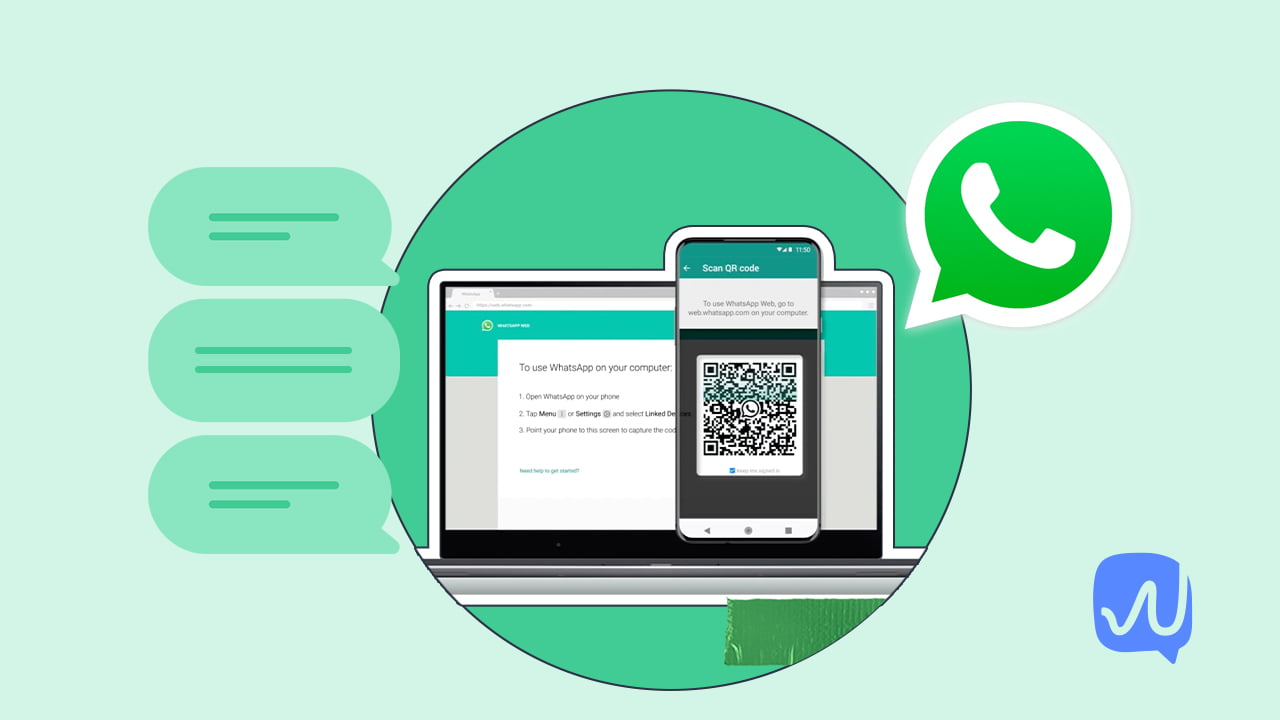
What a web Phantom-style wallet gets right
Let's be frank: onboarding beats everything. People drop out at the wallet step more than anywhere else. A web flavor of a noted wallet reduces cognitive overhead and lowers technical barriers. My anecdote—last month I watched a friend in NYC set up a web wallet at a cafe, no extension, no drama, just a pair of QR scans and a mnemonic shown once and saved to a hardware manager. They were in, and they smiled. Small victory, but telling.
Security can still be strong. Hardware wallet integration, transaction signing confirmations, and clear permission dialogs are all doable in a web context. You can't fake major things without user involvement. Though actually—there are subtleties. A web wallet must be explicit about active sessions, origin binding, and revoke flows because browser tabs can be ephemeral and messy. That part bugs me; somethin' as simple as a lingering session can be exploited if not surfaced clearly.
Performance on Solana is another advantage. Transactions are cheap and fast, so wallets that feel fast make the whole experience better. Users notice latency. They do not forgive jank. A polished web wallet that prefetches transaction fees, previews token data and caches metadata creates that "it just works" sensation. My instinct said speed would be less important than security—though actually, they both matter equally in practice.
How web wallets handle dapp interactions
Think about app flows: sign-in, approve, confirm, done. Simple in theory. In practice, there's a tangle: permissions stacking up, UX inconsistency across dapps, and phishing risks when prompts aren't obviously from the wallet. The design answer is layered confirmations and strong visual cues that tie a site to a wallet session. A web wallet can, for instance, show the dapp's favicon, domain, and a short integrity score before asking to connect. Small things like that cut down user errors.
Now, I know people will ask about mobile. Mobile browsers behave differently, though. A web-first wallet can gracefully degrade into a mobile-friendly view or hand off to a wallet app using app links. I'm biased, but I think a hybrid approach—web for quick links and app for deep control—is the practical sweet spot for most users in the US market right now.
One more nuance: developer experience. Dapp teams often try to support multiple wallet APIs, and that fragmentation slows innovation. A well-documented web wallet API that respects standards makes life easier for builders, and that feeds back into richer dapps. It's a virtuous loop when done right; if it's messy, everybody loses time and users get inconsistent UX. Very very important.
Practical tips if you want to try it today
First, test the connection flow in incognito windows. Seriously? Yes—see how session persistence behaves. Second, check how the wallet displays transaction details; if it's vague, don't proceed. Third, try hardware-backed signing for larger sums; it adds a great safety layer. Also, look for clear revoke options—if the dapp can remain trusted forever, that's a red flag. These are small checks, but they save headaches.
If you want a clean, browser-based experiment with a Phantom-like interface, give this a shot: phantom wallet—it shows how a web-first design can feel both immediate and controlled. I'm not endorsing everything about every implementation, but the concept works and the UX is persuasive when done thoughtfully.
FAQ
Is a web wallet as secure as an extension?
Short answer: often close, but context matters. Web wallets can be secure if they integrate hardware signing, origin checks, and explicit session controls. Long answer: extensions isolate certain attack surfaces, but web wallets can mitigate risks with strong UX, transparent permissioning, and regular security audits. I'm not 100% sure about every threat vector—new exploits surface sometimes—but a vigilant design reduces most common risks.
Will web wallets replace extensions?
On one hand, many users will prefer the convenience of web wallets and they may dominate onboarding flows. On the other hand, power users and institutional setups will keep using extensions and dedicated apps for tighter controls. It's not binary; both will coexist and complement each other.
How do dapps need to adapt?
Dapps should design for ephemeral sessions, implement clear reconnect flows, and avoid assuming persistent extension state. They should also provide transaction previews and clear fallback instructions for users who switch between web and app contexts. Minor dev pain up front saves a lot of support messages later.
So where does that leave us? Excited, wary, and curious. Hmm... I'm optimistic because lowering barriers is how mainstream adoption starts, though there are trade-offs that deserve attention. If you care about Solana dapps and want fewer setup headaches without giving up security, explore web-first wallets and push your favorite dapps to support them. It's an evolving scene—expect changes, expect improvements, and expect somethin' imperfect for a while. But hey, that's how real products grow.